
Explore our collection of informative and educational blog posts to stay updated on the latest industry trends and expert advice.
Have you ever noticed how spending time in nature or putting your hands in the soil instantly lightens your mood? While the idea of nature as medicine feels intuitive, there is an entire professional field dedicated to using garden spaces and plant-based activities to promote health and wellbeing.
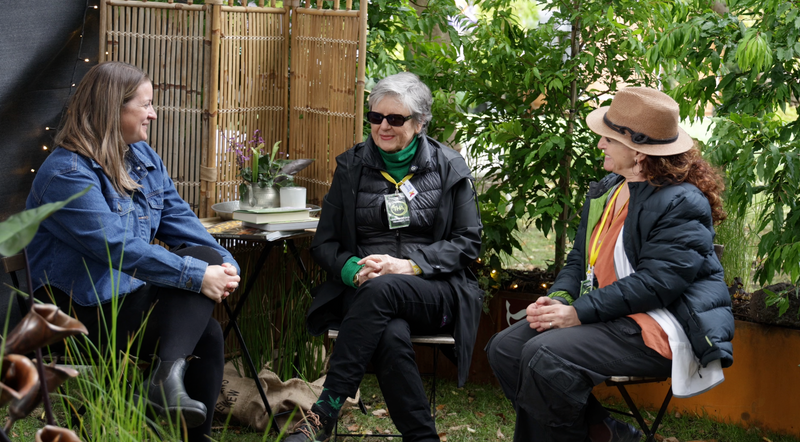
To learn more, we sat down with Leigh McGaghey, President, and Tanya Bearup, Vice President, of Therapeutic Horticulture Australia (THA). Together, they share what therapeutic horticulture actually involves, how career changers are finding their passion in it, and how getting back to plant care can transform lives.
What is Therapeutic Horticulture?
At its core, therapeutic horticulture is the intentional use of plants, gardening, and nature-based activities to improve social, physical, emotional, and mental wellbeing.
"That can happen in many different settings," explains Tanya, who spent 25 years as a social worker before combining her therapy skills with horticulture. "In a school, students might get outside to regulate themselves before returning to class to focus. In community gardens, the social element reduces isolation and gives people a meaningful, shared purpose."
For those navigating complex mental health challenges, caring for plants provides behavioural activation. It gives someone a clear reason to get out of bed in the morning and a constructive focus outside their own head.
Beyond the "Sensory Garden"
A common misconception is that simply creating a sensory garden completes the work. True therapeutic horticulture is about facilitating active, meaningful engagement.
"A garden can be a great leveller," says Leigh. "It is also remarkably scalable. You can work with someone using a few pots of herbs on a kitchen windowsill, or you can use a large-scale backyard. The principles apply anywhere."
The Great Career Pivot: From Corporate Churn to Green Spaces
One of the most fascinating developments in recent years is who is joining the movement. THA has seen a significant surge in interest from the corporate sector, as well as professionals seeking a career change after experiencing burnout.
Leigh's own journey reflects this shift. "I used to be a business analyst in finance. I couldn't hack that anymore, so I studied landscape architecture, but contracts, budgets, and construction timetables burnt me out, too. I realised I just needed to garden."
Tanya experienced a similar turning point during the COVID-19 pandemic. "I call it part of the 'Great COVID Pivot.' I didn't stop being a social worker; I just pivoted how I did it. I studied a Certificate III in Horticulture so I could work with people directly in their garden spaces while still providing therapeutic support."
Today, corporate offices are bringing in therapeutic horticulturists to run planting workshops and set up green lunchrooms to support employee wellbeing, while many former executives are retraining in the field themselves.
Who Can Become a Therapeutic Horticulture Practitioner?
Therapeutic Horticulture Australia represents a diverse community of around 380 members nationwide, ranging from career changers to experienced health professionals.
To become a Full Member of THA, practitioners generally hold qualifications across both horticulture and human services:
- Horticulture and Design: A Certificate III or IV in Horticulture, or a qualification in Landscape Architecture or Design.
- Human Services and Health: Backgrounds in social work, community services, aged care, individual support, or allied health (Certificate IV and above).
A Note on Professional Boundaries
THA is clear about ethical standards and professional boundaries. "We are very careful not to call someone a therapist unless they hold that higher-level clinical qualification and registration," Leigh notes. "We prefer the term therapeutic horticulture practitioner, because the role is about facilitating engagement in a garden space with a grounded understanding of how gardening benefits human health."
Getting Involved with Therapeutic Horticulture Australia
Whether you are looking to retrain, enhance your existing practice in care or community work, or simply explore a passion for plants, THA offers accessible pathways for everyone nationwide:
- Associate Membership ($75/year): Open to anyone interested in learning more. Includes substantial discounts on education and networking events.
- Education and Business Support: Online workshops, including Introduction to Therapeutic Horticulture and Business Essentials, help newcomers navigate entering the field.
- National Conference and Events: THA hosts a national conference that rotates across Australian states, bringing together members from regional areas and major cities alike.
- Global Connections: THA collaborates with international peak bodies, celebrating events like World Therapeutic Horticulture Day on 18 May (#worldtherapy).
Visit the Therapeutic Horticulture Australia website to explore member directories, browse upcoming webinars, or join as an Associate Member.
Ready to Jump Straight into Horticulture?
If you feel called to bring nature into care settings, schools, or corporate environments, gaining a practical foundation in plant care and garden design is your ideal starting point.
Whether you come from a background in social work, aged care, or corporate administration, building your horticulture credentials gives you the hands-on skills needed to bring nature-based wellbeing to life.
Explore our Horticulture Courses today and take your first step towards a rewarding pathway in plant care and community wellbeing!